Home Sellers
How do you price a Gilbert home to sell?
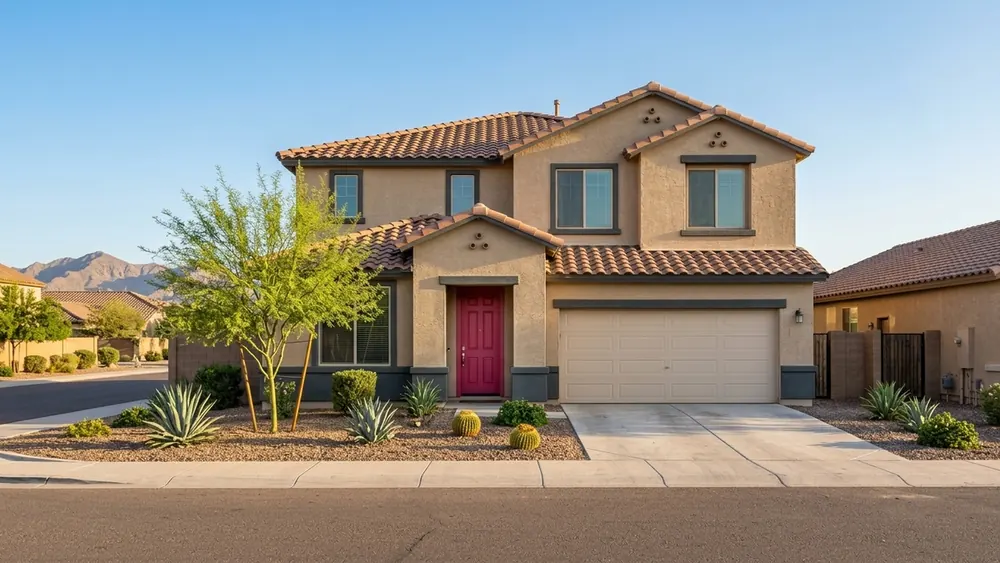
You price a Gilbert home to sell by starting from similar recent sales nearby, adjusting honestly for condition, updates and features, and choosing a list price you can explain, then watching early buyer response before changing anything.
On this page
Start from what similar homes actually sold for
You price a Gilbert home to sell by starting from what similar homes nearby recently sold for, adjusting honestly for the differences in condition, updates and features, and choosing a list price you can explain to any buyer who asks. Then you watch how buyers respond in the first stretch of the listing before you change anything. Tax and legal questions about the sale go to a tax professional or an attorney.
This matters because the list price is the first thing most buyers see, and it shapes who comes to look. A price that sits well above comparable homes can keep the right buyers from ever scheduling a showing. A price set without a clear reason is hard to defend when an offer comes in. A price built on real comparisons gives you a steady footing for every decision that follows.
Paul Cameron, an Arizona native and REALTOR® with Keller Williams Realty Phoenix, helps sellers in Gilbert and across the Phoenix East Valley work through pricing step by step. This guide does not predict what any home will sell for or how long it will take. It is an organized way to think through one of the biggest decisions in a sale, so the number you choose rests on evidence rather than hope.
Separate the home’s value from its story
Most sellers know their home better than anyone, and that knowledge is useful. The yard you planted, the kitchen you redid and the years of family life in the house all feel like part of its worth. Buyers, though, compare your home against the other homes they can choose from right now. Holding both views at once, your own and the buyer’s, is where a good pricing conversation begins.
It helps to write down what you believe makes the home stand out, then test each item against the comparable sales. Some features will clearly matter to buyers in your part of Gilbert. Others may be personal preferences that buyers notice but do not pay extra for. Sorting the two early keeps you from anchoring on a number that the evidence does not support.
Emotion is normal here, especially when the home holds a long stretch of family history or the sale follows a life change. Acknowledging that openly makes the conversation easier. The goal is not to talk anyone out of what the home means to them. It is to choose a price that gives the home its best chance with the buyers who are actually looking.
Read the comparable sales with care
Comparable sales, often called comps, are recent sales of homes similar to yours in size, age, layout and location. The most useful ones are close by, sold recently and resemble your home in the ways buyers care about. Active listings show what you are competing against, but a list price is only an asking price. Closed sales show what buyers were actually willing to pay.
No two homes are identical, so every comparison needs adjusting. A comparable home with a remodeled kitchen, a larger lot or a pool is not a direct match for a home without one, and the reverse is also true. Paul can walk through each comparable sale with you, note the differences and explain how each one might move the picture up or down, so you see the reasoning rather than just a number.
Location within the East Valley matters as well. A sale in Gilbert is usually a better guide for a Gilbert home than a sale in Chandler, Mesa or Tempe, even when the houses look alike on paper. Be cautious with online value estimates. They can be a starting point for curiosity, but they cannot see inside your home, and they often miss updates, condition and the details buyers notice in person.
Weigh condition, updates and presentation
Once you have a set of comparable sales, look honestly at how your home stacks up in the areas buyers tend to compare first. Condition and presentation can matter as much as square footage when buyers have several homes to choose from. Before settling on a price, it helps to review:
- The age and condition of major systems such as the roof, heating and cooling
- Which rooms have been updated recently and which still show their original finishes
- Repairs or deferred maintenance a buyer’s inspection is likely to point out
- How the home looks and shows compared with recently sold homes nearby
Some sellers choose to handle repairs before listing so the price can reflect a home in better shape. Others prefer to price with the condition in mind and sell the home as it is. Neither path is right for everyone. A licensed home inspector can tell you about condition before you list, and Paul can help you think through how each choice tends to play out with buyers.
Who answers which pricing question
Pricing a home raises questions that cross several professions, and it is easy to ask the wrong person or to rely on a guess. This table maps the common questions to the source that can actually answer them. Keep it handy as you prepare, and add your own questions as they come up during the sale.
| Question | Why it matters | Who to ask |
|---|---|---|
| What have similar nearby homes sold for? | Sets the starting point for a list price | Paul, using recent comparable sales |
| What condition is the home in? | Shapes adjustments and buyer expectations | A licensed home inspector |
| How will the sale affect my taxes? | Answers depend on your own situation | A tax professional |
| Who has the authority to sign? | Matters for estates, trusts and shared ownership | An attorney |
| What do the association rules require? | Rules can affect showings, signs and disclosures | The association’s own documents |
Questions about the payoff of an existing loan belong with your lender, and questions about insurance belong with an insurance agent. None of these needs to be solved before you choose a price, but knowing who answers what keeps the process calm and keeps a real estate decision from resting on a guess about a legal or financial one.
Choose a list price you can explain
With the comparisons and the adjustments in front of you, the list price becomes a decision rather than a guess. Many sellers find it helps to look at a sensible range first, then choose a number within it based on condition, presentation and how much flexibility they have on timing. A price you can explain, comparison by comparison, is also a price you can stand behind when buyers ask questions.
It also helps to decide ahead of time how you will respond to early buyer activity. Showings, feedback and offers in the first stretch of a listing tell you a great deal about how buyers see the price. Talking through what you would want to see, and what would prompt a second look at the price, means you can respond calmly instead of reacting to a single quiet weekend or a single comment.
Getting ready for a pricing conversation
Before you sit down to talk about pricing, gather a few notes so the first conversation is productive rather than general. You do not need a number in mind. A clear picture of the home, your timing and anything that could affect the sale is plenty to start. Useful things to have on paper include:
- A list of updates, repairs and replacements, with dates if you have them
- The features you believe set the home apart from others nearby
- Your preferred timing for the sale and any move that depends on it
- Any notes from a lender, tax professional or attorney you have already consulted
If you are thinking about selling a home in Gilbert, Chandler or elsewhere in the East Valley, Paul is happy to walk through the comparable sales with you and map out a pricing plan step by step. There is no pressure to decide anything in that first conversation. The aim is to leave with a clearer view of the evidence, the choices in front of you and the questions still open.
This article is general information about buying and selling homes in Gilbert and the Phoenix East Valley. It is not legal, tax, estate, lending, inspection or appraisal advice and does not predict prices or promise results. Confirm city services with each municipality, construction details with the builder and a licensed home inspector, budget and loans with a lender, and legal or estate questions with an attorney. Paul Cameron, Keller Williams Realty Phoenix.

Written by