Relocation
How do you buy an East Valley home from out of state?
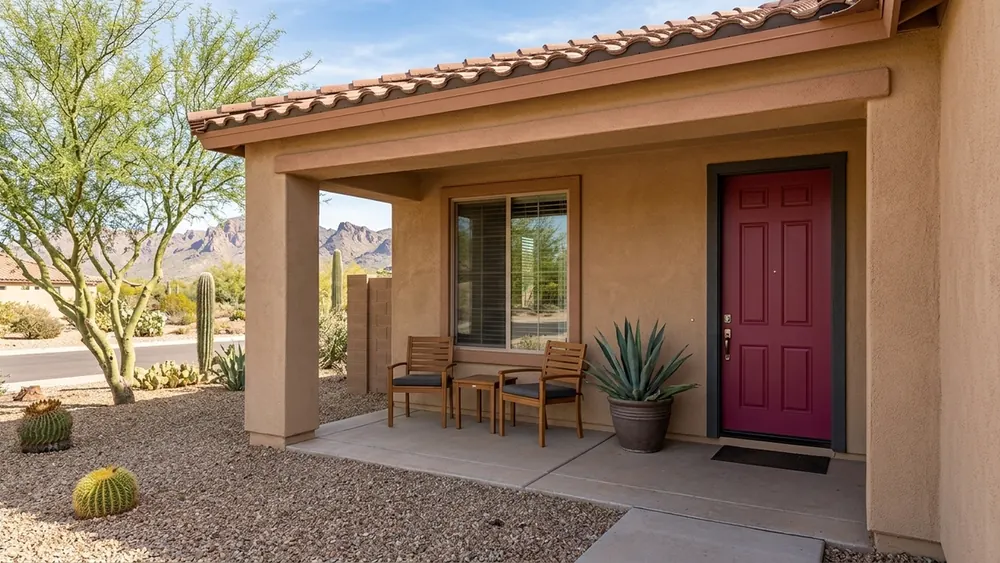
You buy an East Valley home from out of state by setting priorities first, speaking with a lender early, planning how you will see homes, and deciding in advance which steps need you in person and who confirms each answer.
On this page
The short answer on buying from a distance
You buy an East Valley home from out of state by putting structure where distance creates gaps. Set your priorities before you search, speak with a lender early, plan how you will see homes when you cannot walk through them yourself, and decide in advance which steps need you in person. With that plan in place, distance becomes a set of logistics to manage, one at a time, rather than a series of guesses made from far away.
This matters because buying from a distance changes what you can observe for yourself. You may not be able to drive a route at rush hour, stand in a backyard or notice a sound through a wall. None of that makes a remote purchase unwise, but it does mean every gap needs a plan for how it will be filled. Buyers who name those gaps early tend to make decisions with fewer surprises later.
This article walks through the process in order: priorities, viewing, the people involved, the questions to settle and the assumptions that catch people off guard. It does not promise that buying remotely is simple, and it does not replace advice from a lender, an attorney or an inspector. It is an organized way to think about a purchase in Gilbert, Chandler, Mesa or elsewhere in the East Valley when you are not yet living in Arizona.
Set your priorities before you start touring
From a distance, every listing can look promising, and that makes it easy to drift. Before you look at a single home, write down what you need and what you would simply like. Needs might include the number of bedrooms, a place to work from home or room for a visiting parent. Wants might include a particular layout or outdoor space. Keeping the two lists separate makes remote decisions faster and much easier to explain to yourself later.
Next, describe your routine after the move. Where will you work, and how often will you travel there? Which places will you visit most? Which errands do you want close at hand? These answers shape which East Valley cities deserve a look, and they let you test each home against the life you expect to live, rather than against photos that were chosen to show the home at its most appealing.
Finally, be honest about timing without guessing at it. Note any fixed dates you are working around, such as a job start, a lease ending or a sale back home, and leave the question of how long each step will take for the people who can actually answer it. A lender can speak to the loan side, and a real estate conversation can cover how the process usually unfolds in Arizona once you share your dates.
How you will see homes from far away
Most remote buyers use a mix of methods. A live video walkthrough lets you ask for a closer look at a ceiling, a cabinet or the view from a window. Recorded video and photos help you narrow the list before a call. Some buyers plan one in person trip to see a short list of homes, while others need to make a decision without visiting. Deciding which approach fits your situation is an early step, not a late one.
Video has limits, and it helps to name them plainly. It does not show smells, sounds from outside, how a street feels at different times of day, or how a room feels when you stand in it. Ask whoever is walking the home to narrate what the camera misses, and to show the approach to the home, the neighboring lots and the view in each direction. Write down what you still cannot judge, and plan how you will answer it.
For questions about condition, rely on a licensed home inspector rather than a video tour. For new construction, the builder can answer questions about what is included and how the process works, and an inspector can look at the work itself. For travel times, use current map sources at the hours you would actually drive. Each of these fills a specific gap that distance creates, so it is worth deciding early who will cover each one for you.
Line up the right people early
A remote purchase involves several professionals, and contacting them early keeps the process from stalling while you wait for answers. Each one owns a different part of the decision. Knowing who covers what also keeps you from asking a real estate professional to answer a loan question, or an inspector to answer a legal one. These are the people most remote buyers want in place before they write an offer:
- A lender, to discuss budget, loan options and what the lender needs from you
- A licensed home inspector, to examine the condition of any home you seriously consider
- An insurance agent, to explain coverage questions for a home in Arizona
- An attorney or tax professional, for any legal or tax question tied to the move
On the real estate side, Paul Cameron works with buyers relocating into the East Valley from Keller Williams Realty Phoenix in Gilbert. That role covers finding and comparing homes, arranging viewings that work across a distance, explaining how offers and contracts move forward in Arizona, and keeping each professional’s answers organized. If you ever have a question about who regulates real estate professionals in the state, the Arizona Department of Real Estate is the place to check.
Questions to settle at each stage
It helps to see the main questions together, along with why each one matters from a distance and who is in a position to answer it. The table below is a starting point. Your own situation may add rows, especially if you are selling a home elsewhere at the same time or moving with relatives who have their own needs.
| Question | Why it matters | Who to ask |
|---|---|---|
| What budget range fits my situation? | It shapes every search before you look at homes | A lender |
| What services does this address receive? | Services and rules can vary from one address to another | The city where the home sits |
| How long are my regular trips? | A map viewed from far away can mislead | Current map sources, at your real travel times |
| What do the association rules say? | Rules can differ between communities and affect daily life | The association’s own documents |
| What condition is the home really in? | Video tours cannot show everything a visit would | A licensed home inspector |
Notice that most of these answers come from someone other than a real estate professional. That is deliberate. The real estate role is to help you ask each question at the right moment and keep the answers in one place, so you can compare homes on the same terms. Going to the source for each answer keeps your decision built on current information rather than on memory or assumption.
Assumptions that cause surprises from a distance
One common assumption is that a home will match its photos in every way. Photos are chosen to show a home well, and they rarely show what sits next door, how a room is oriented or the condition of what is hard to see. Another assumption is that a short distance on a map means a short trip. Both are worth testing with live video, current map sources and, where possible, a visit.
A third assumption is that rules and services work the way they did where you live now. City services, association rules and contract steps can all differ from what you know. Instead of guessing, ask for each home: which city provides services here, which documents govern this property, and what the contract asks of me. Writing those answers down for every serious option turns a remote decision into a structured one that you can review calmly.
What to gather before a first conversation
Before you talk with anyone about specific homes, collect your notes in one place. You do not need everything decided. You only need enough to give the conversation shape, so that the first hour is spent on your move and not on general background. These four items cover most of what is useful at the start:
- Your list of needs and wants, kept separate from each other
- Any fixed dates you are working around, such as a job start or lease end
- Whether you plan to visit in person, and roughly when that could happen
- Whether you have spoken with a lender, and any questions still open
When your notes are ready, bring them to a conversation with Paul, an Arizona native who helps people moving into Gilbert and the wider East Valley map out a purchase step by step. There is no pressure to have a city or a home chosen in advance. The goal of a first conversation is simply to organize what you know, name what you still need to learn, and decide together on a sensible next step.
This article is general information about buying and selling homes in Gilbert and the Phoenix East Valley. It is not legal, tax, estate, lending, inspection or appraisal advice and does not predict prices or promise results. Confirm city services with each municipality, construction details with the builder and a licensed home inspector, budget and loans with a lender, and legal or estate questions with an attorney. Paul Cameron, Keller Williams Realty Phoenix.

Written by